Manual Wind, Automatic, or Quartz? Find Out the Differences
The movement is the “heart” of a luxury watch. The function of the movement is not only to tell the time, but also shows the technical expertise and traditions that have been passed down for decades.
In general, there are two main categories of movement, mechanical (manual wind and automatic) and quartz. What are the differences, and which one suits you best?
1. How It Works
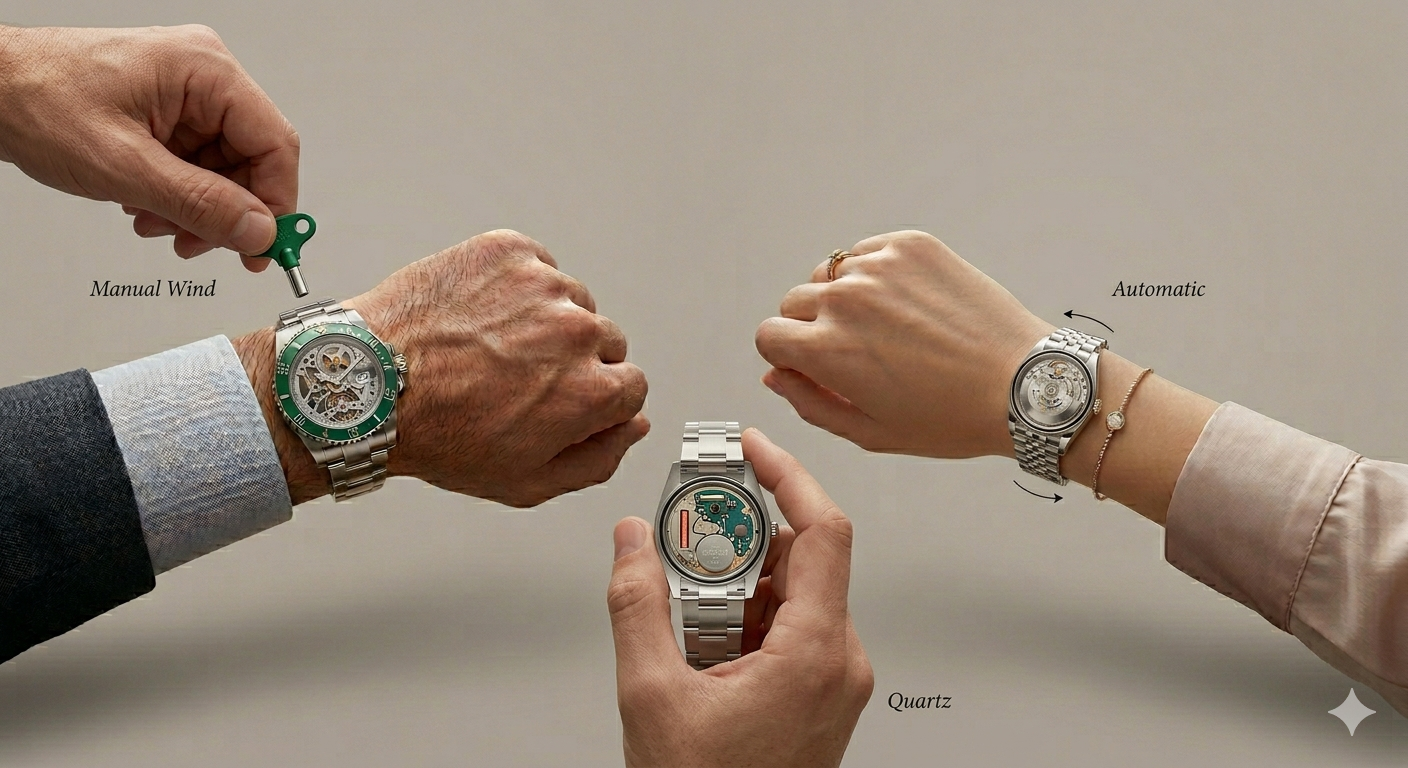
Manual: uses a mainspring as the energy source. The wearer must manually wind the crown to tighten the mainspring, which then gradually releases energy to drive the hands.
Automatic: similar to manual, it also uses a mainspring, but with an added rotor that follows the movement of your wrist. This motion automatically charges the mainspring without needing daily manual winding.
Quartz: powered by a battery. Electrical current drives a quartz crystal, which then moves the hands of the watch.
2. Accuracy
Manual: accurate, but time deviation may occur if the crown is not wound regularly.
Automatic: accurate, but deviation can happen if the watch is seldom worn, since the automatic movement charges through wrist motion.
Quartz: extremely accurate, as the energy source from the battery is stable.
3. Maintenance
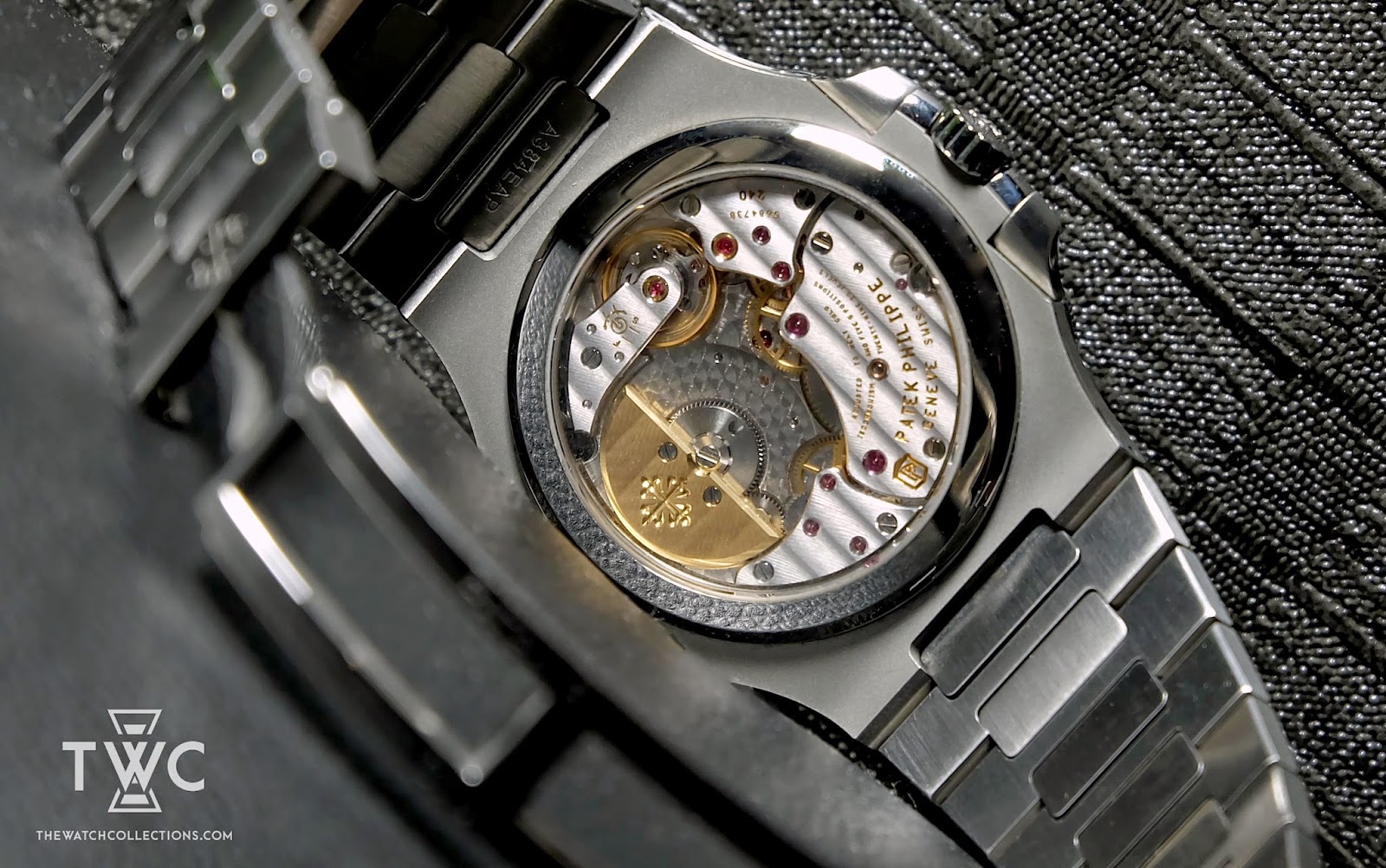
Manual: Requires regular winding and periodic servicing to maintain long-term performance.
Automatic: Needs regular servicing for optimal performance. If unused for an extended period, the watch may stop and need to be reset.
Quartz: Typically only requires periodic battery replacement and rarely needs complex movement servicing.
4. Movement Character
Manual: Associated with tradition and a personal experience. The ritual of winding the crown becomes a unique interaction that creates a deeper connection between you and the watch.
Automatic: Combines craftsmanship with practicality. The watch remains mechanically complex while still offering convenience for daily wear.
Quartz: Practical and functional. Its focus is on accuracy and ease of use rather than mechanical complexity or tradition.
How to Choose the Right Movement for You
1. Daily Habits
If you have a busy lifestyle and want a watch that is always ready with minimal attention, quartz is the most practical choice. You only need to ensure the battery is in good condition. If you wear your watch daily and enjoy mechanical movements without daily winding, automatic offers a balance between convenience and craftsmanship.
2. The Horological Experience You Desire
If you value a personal, emotional, and classic experience, a manual watch is ideal. The ritual of winding creates a unique connection with the timepiece. If you prefer a modern, practical watch without compromising craftsmanship, an automatic watch is a better fit.
3. Watch Design Preferences
The type of movement also affects the watch’s design and thickness. Manual wind watches are usually thinner, as they don’t have a rotor like automatic watches. This gives them a slimmer and more elegant profile, ideal for formal styles. Automatic watches tend to be slightly thicker due to the rotor, but this added thickness is offset by the convenience of not needing daily winding.
Quartz watches allow for flexible designs, ranging from very thin to sporty models, depending on construction and design concept.
Aspect | Manual Wind | Automatic | Quartz |
|---|---|---|---|
Energy Source | Mainspring | Mainspring + rotor | Battery |
Charging | Manual winding | Self-winding via wrist movement | Battery replacement |
Accuracy | Decreases if not wound manually | Decreases if rarely worn | Stable as long as battery last |
Suitability | Classic horology enthusiasts | Mechanical watch lovers who want simplicity | Those who want a more practical watch |
Each movement has its own advantages. Explore The Watch Collections to discover luxury watches with various movements. We can also help you find the movement type that best suits your lifestyle and preferences.
Frequently Asked Questions (FAQ):
1. What is a manual wind watch?
A manual wind watch uses a mainspring that must be wound manually to keep the watch running.
2. What is the difference between automatic and manual watches?
An automatic watch has a rotor that charges the mainspring through wrist movement, so daily manual winding is not needed.
3. Is a quartz watch more accurate?
Yes, because its energy comes from a stable battery, quartz watches are usually more accurate than mechanical watches.
4. How does maintenance differ for each movement?
Manual and automatic watches require regular servicing, while quartz watches only need periodic battery replacement.
5. Which movement is suitable for me?
Choose manual for a classic, personal experience, automatic for a balance of practicality and craftsmanship; or quartz for accuracy and convenience.
You May Also Like These Watches
Know More News
Subscribe to our Newsletter