5 Ways to Care for a Water-Resistant Watch
Water-resistant watches mean that the watches have gaskets (seals) that close small gaps in the watch. Its function is to prevent water and dust from entering the internal component. But, it doesn’t mean that the watch is completely waterproof. So, it’s important to understand how to care for a water-resistant watch.
1. Know The Watch’s Water Resistance Rating
Each water-resistant watch has a rating, such as 3 ATM (30 meters), 5 ATM (50 meters), or even 100 ATM (1,000 meters). These numbers are misunderstood by a lot of people. For example, a 3 ATM watch is often assumed to be suitable for diving to a depth of 30 meters. In reality, this rating means the watch has passed a test for static water pressure equivalent to a depth of 30 meters.
When you wear a watch underwater, either in swimming or diving, the pressure on the watch is not static but dynamic. This happens because, when you swim or dive, your hands move and create more pressure. That is why the actual resistance is not always identical.
Typically, a water-resistant rating of 10 ATM is sufficient to render a watch convenient to swim in and light diving requires a water-resistant rating of 20 ATM. When watches have a rating of less than this, they are only safe to use in your daily exposure to water activities, which may include washing your hands, washing your dishes, and light rain.
2. Make Sure the Crown Is Fully Secured
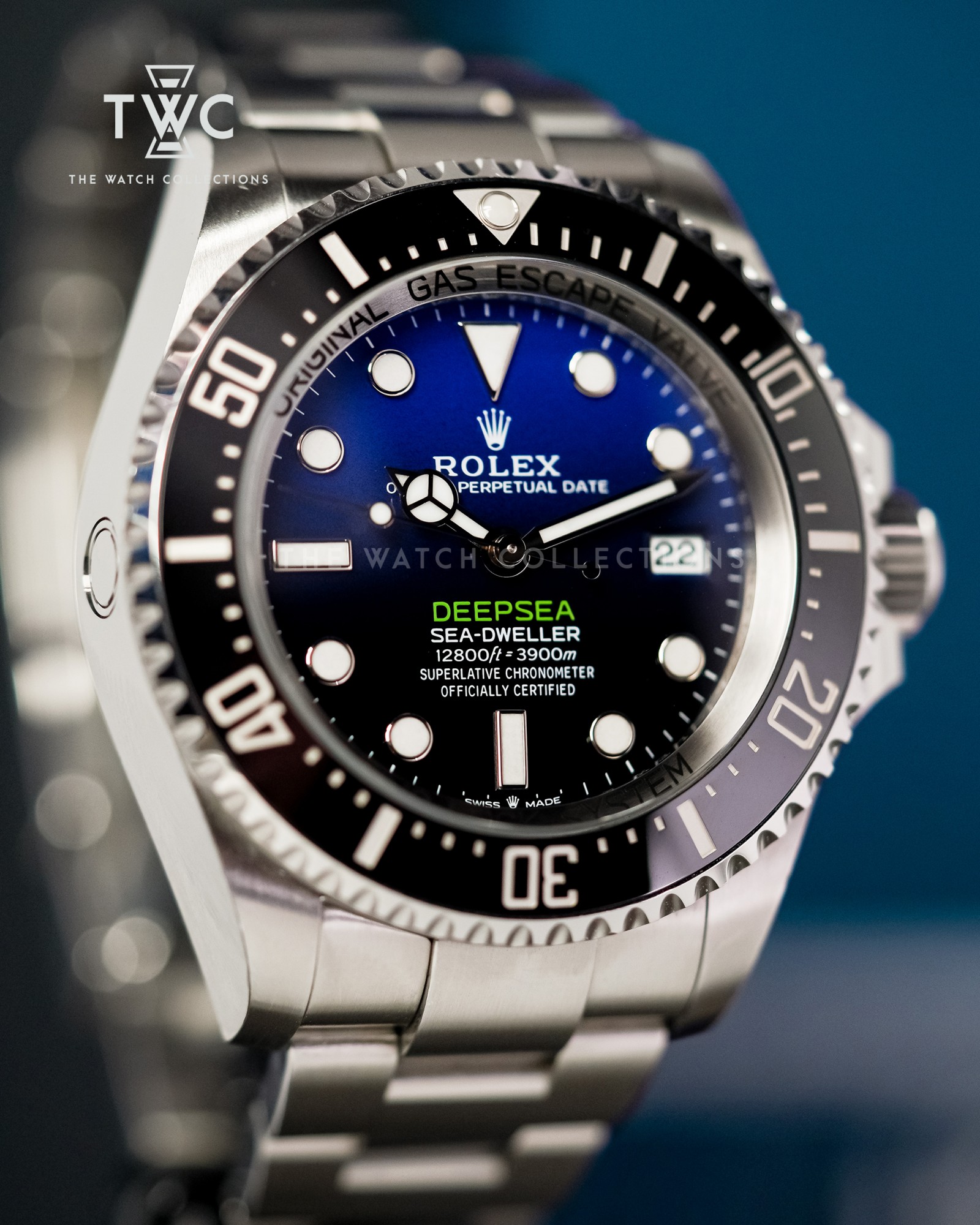
The crown (the knob used to set the time) has to be fully pushed in or screwed down. If it is not properly closed, water can still enter and damage the internal components. You also shouldn’t adjust the crown while the watch is wet.

3. Rinse with Fresh Water After Exposure to Seawater
Seawater contains salt and is corrosive, this can damage the watch’s finishing and gaskets. Make sure your watch has a minimum water resistance rating of 10 ATM if there is a possibility of exposure to seawater. Avoid prolonged contact with seawater. Rinsing the watch with fresh water helps protect its components.
4. Dry the Watch After Water Exposure
Water spots can still form if the watch is not dried properly. Use a soft cloth to dry the watch thoroughly.
5. Check the Water Resistance Regularly
The water resistance feature is not permanent. Servicing will help to make sure that the gaskets and seals are still okay.
Proper cleaning, regular servicing, and other good habits will make your luxury watch’s water resistance optimal. Regular servicing is also important to keep this feature in good working order. Get complete service for your watch at The Watch Collections.
Frequently Asked Questions (FAQ):
1. Does water-resistant mean the watch can be used for diving?
Not necessarily. The water resistance rating indicates static pressure the watch can withstand, not actual diving depth. For swimming, a minimum of 10 ATM is recommended; for diving, at least 20 ATM.
2. Why must the crown always be fully secured?
If the crown is not fully closed or adjusted while wet, water can enter and damage the internal components. Securing the crown ensures optimal water resistance.
3. Should I rinse the watch after exposure to seawater?
Yes, seawater is corrosive due to salt content. Rinsing with fresh water helps protect the finishing and gaskets from damage.
4. How should I dry the watch after water exposure?
Use a soft cloth to thoroughly dry the watch to prevent water spots or residue.
5. Is water resistance permanent?
No, water resistance can decrease over time. Regular servicing helps ensure that gaskets and seals remain effective.
You May Also Like These Watches
Know More News
Subscribe to our Newsletter