5 Types of Dials You Should Know
A dial not only displays the time but also defines the character of a watch. Every detail is designed uniquely, setting one timepiece apart from another. Therefore, understanding the different types of dials based on their structure and materials is important when choosing a watch that suits your preferences.
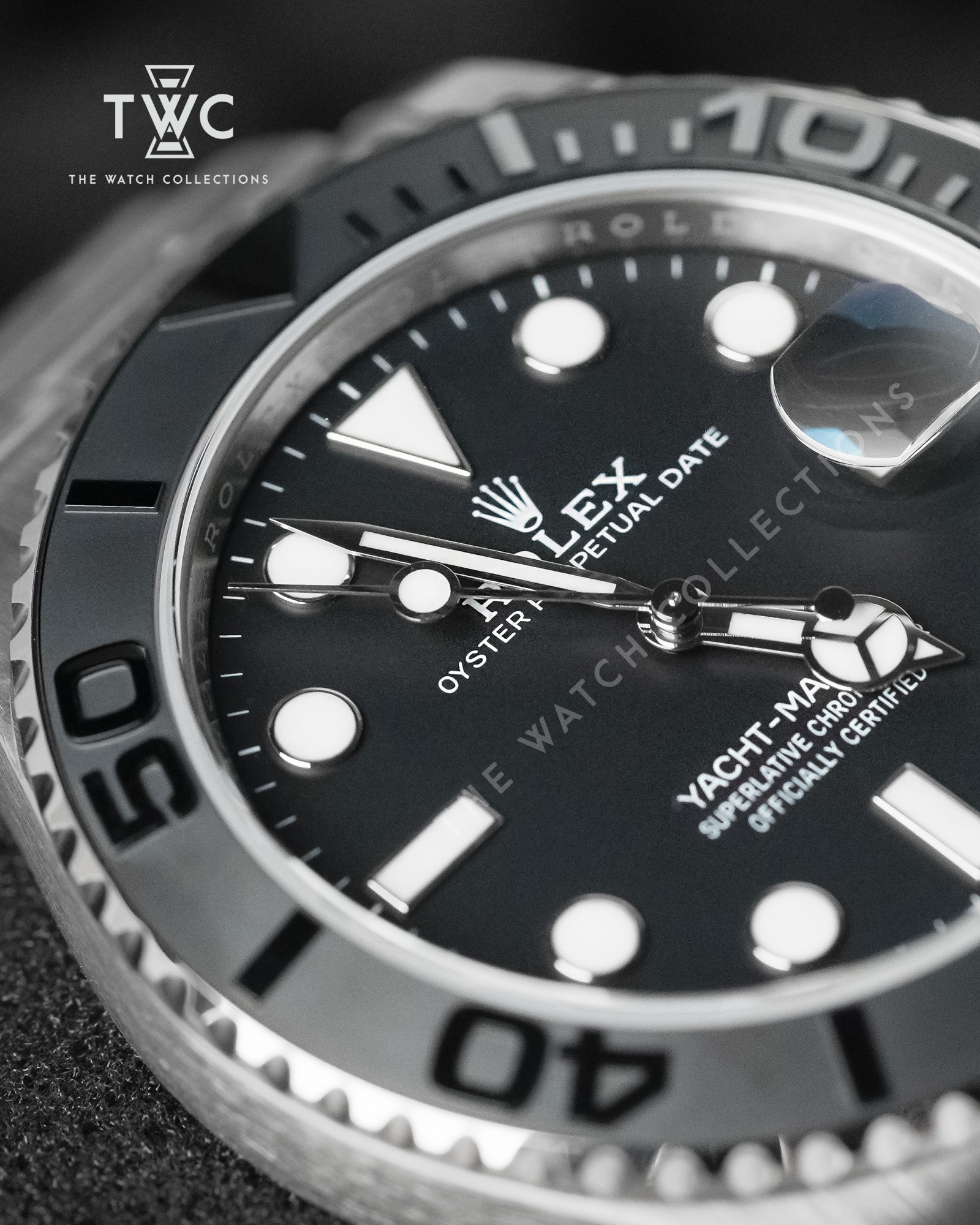
1. Solid Dial
This is the most common type of dial. A solid dial focuses on displaying the time. Its clean design ensures high legibility, making it widely used across various watch styles.
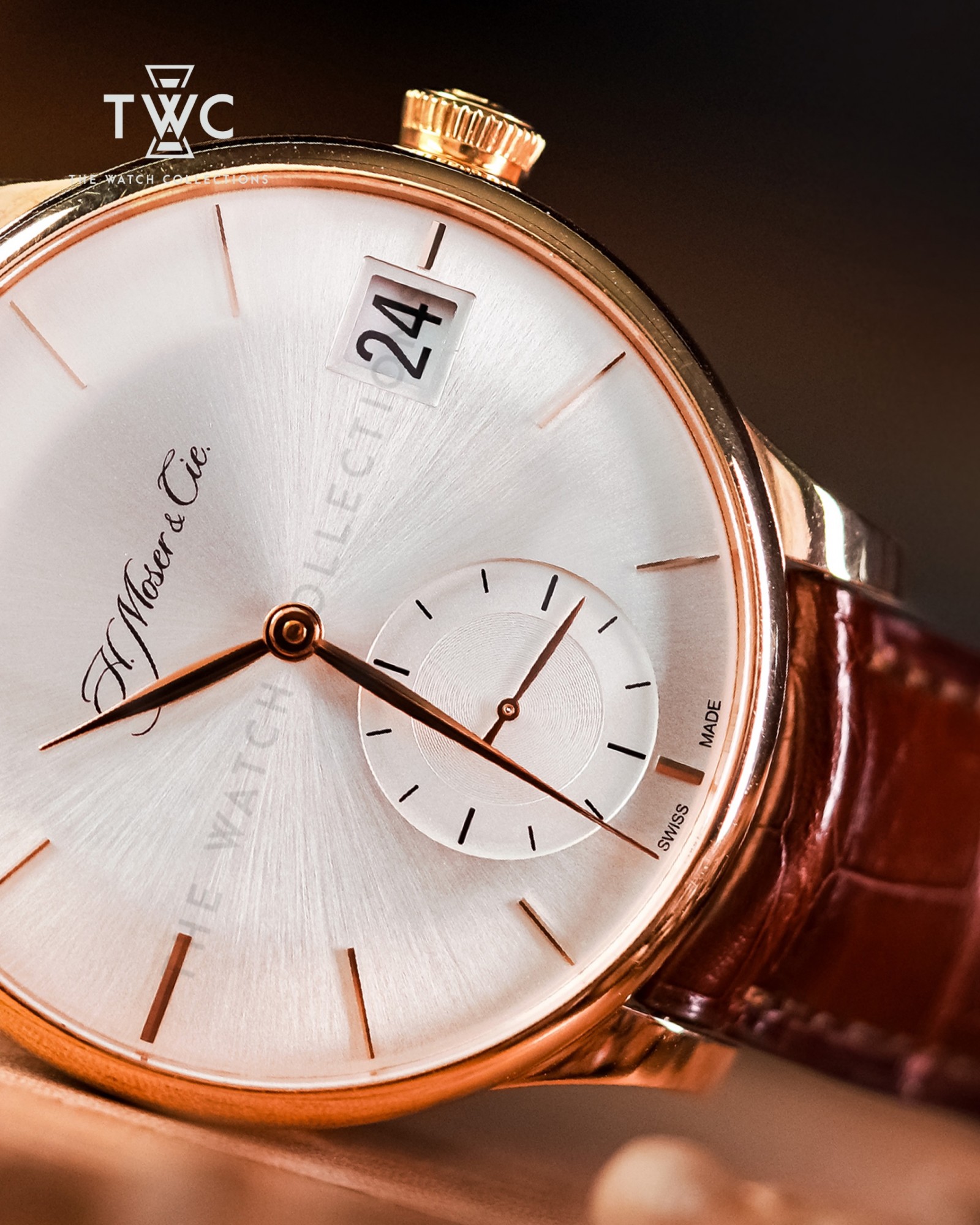
2. Enamel Dial
An enamel dial is created using layers of enamel, finely ground glass that is melted and fused onto the dial’s surface. As a result, the colors are intense and resistant to fading, even over decades or centuries. Due to its complex process and high risk of failure, enamel dials are highly desired by collectors who value exceptional craftsmanship.
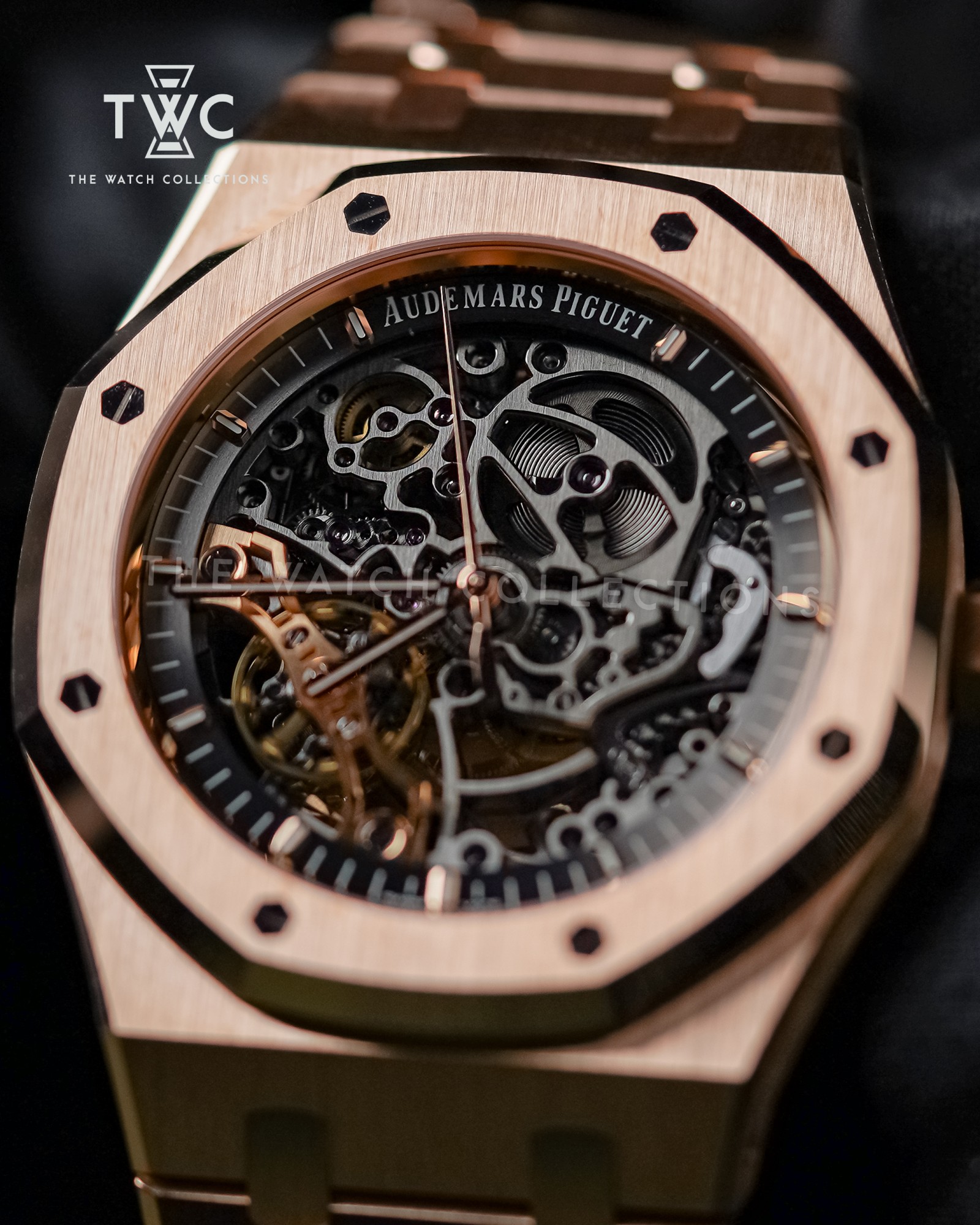
3. Skeleton Dial
A watch is considered a skeleton dial when most, or even all, of the movement is visible from the front. The watch’s mechanical structure is fully exposed. While this design showcases the technical beauty of the movement, legibility is often reduced due to the components’ visibility. Skeleton dials are ideal for those who appreciate the technical artistry of watchmaking and enjoy observing the movement in action.
4. Open Heart Dial
An open heart dial offers a balance between visual intrigue and legibility. It features a small opening on the dial that reveals a specific part of the movement, allowing wearers to enjoy a glimpse of the mechanical workings without reducing readability as much as a full skeleton dial.
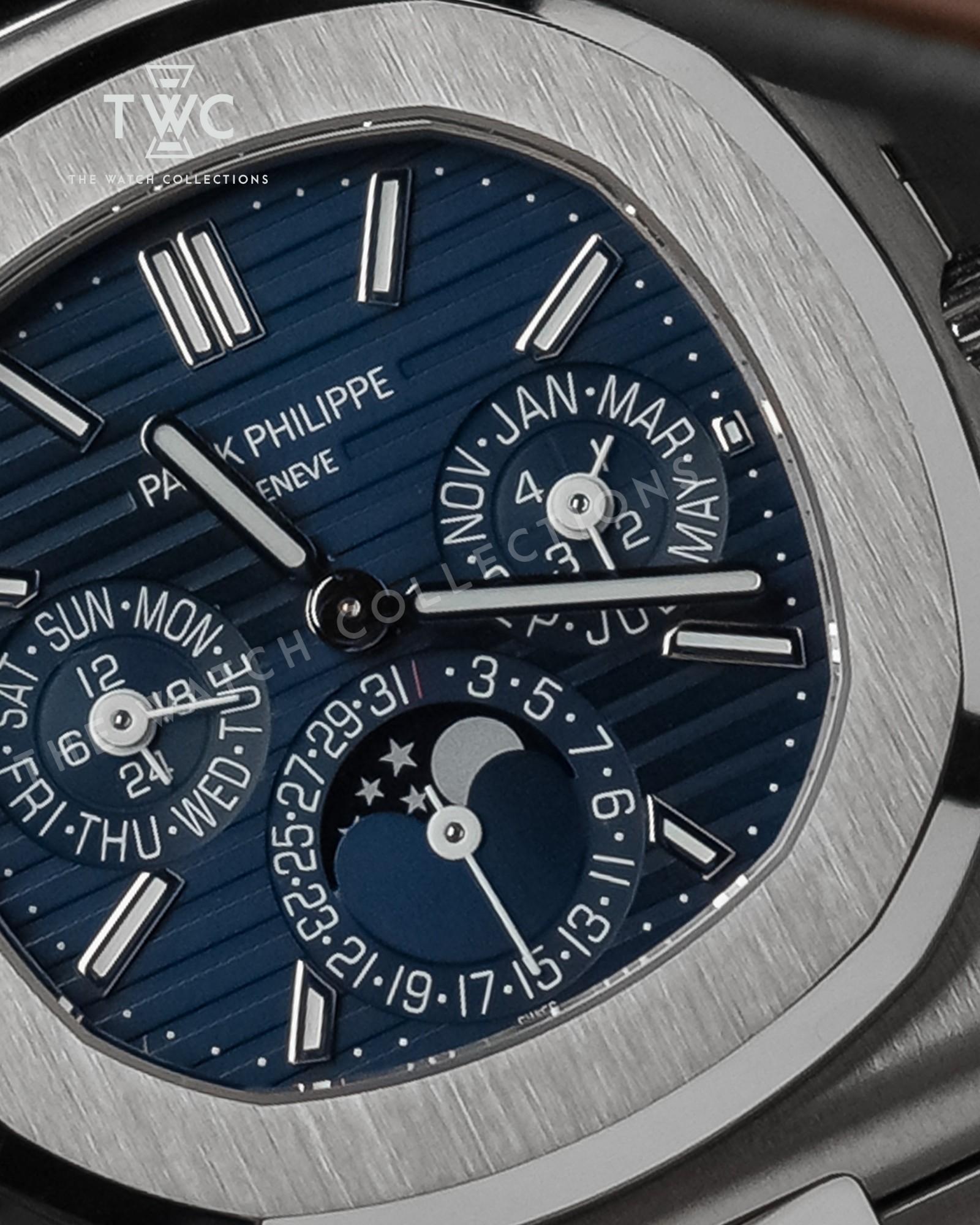
5. Stone Dial
Stone dials are usually appealing to collectors who appreciate natural materials. Stones such as onyx, malachite, and others are used as the primary dial material, resulting in unique patterns that vary from piece to piece. Due to their fragility and the difficulty of the manufacturing process, stone dials are produced in limited quantities, adding to their exclusivity.
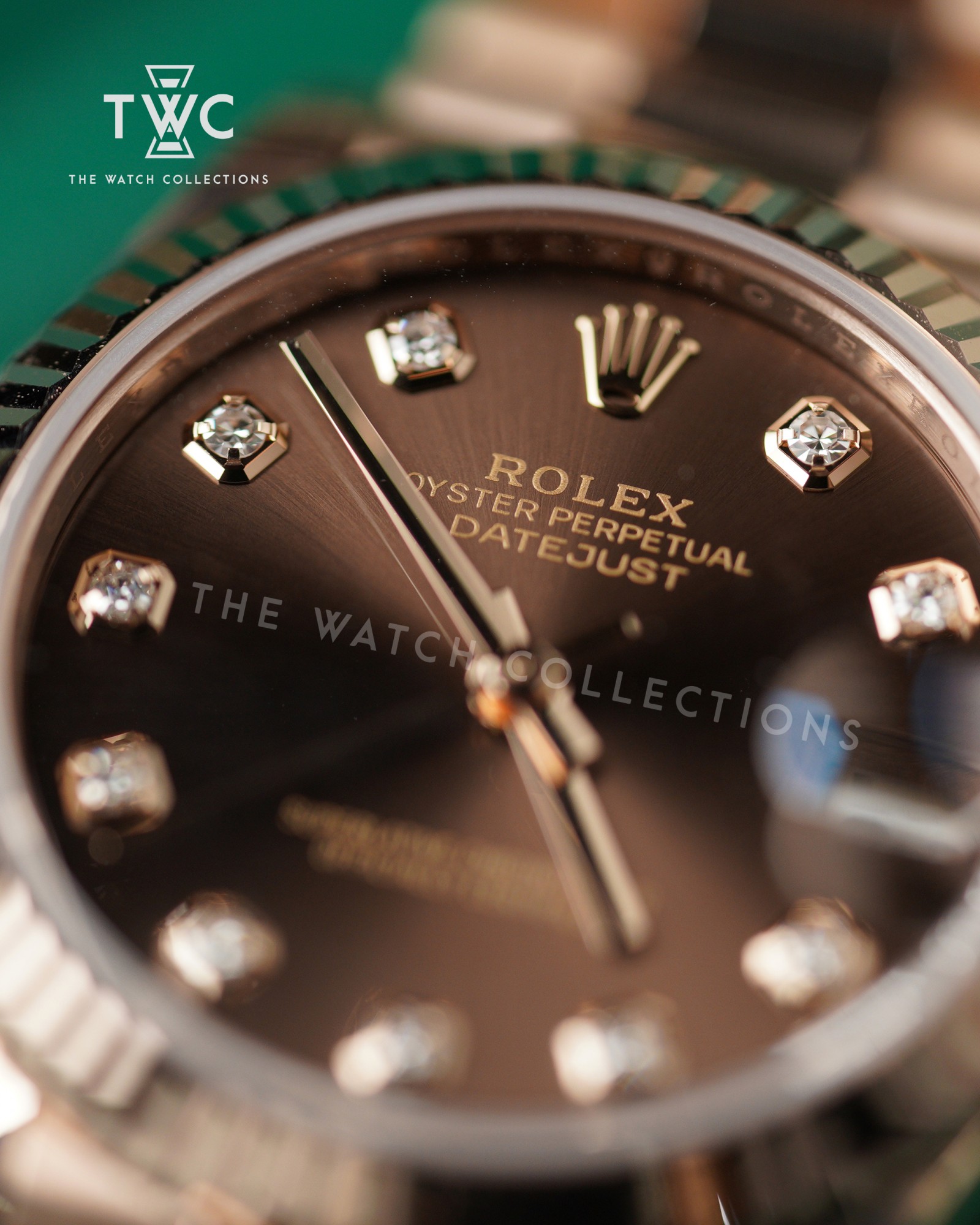
Choosing the right dial can be a rewarding yet challenging process. Explore a wide selection of watches featuring various dial types in The Watch Collections, or feel free to contact us for a personalized consultation to find the dial that best suits you.
Frequently Asked Questions (FAQ):
1. What is a watch dial?
A dial is the surface of a watch that displays the time and complications, usually you will see it first when seeing a watch.
2. What is the difference between a solid dial and a skeleton dial?
A solid dial focuses on clear time display, whereas a skeleton dial exposes most or all of the movement, highlighting mechanical artistry.
3. Are enamel dials difficult to make?
Yes, enamel dials involve a complex process with a high risk of failure, making them exclusive and highly valued by collectors.
4. What is an open heart dial?
An open heart dial has a small opening that shows part of the movement, maintaining better legibility than a full skeleton dial.
5. Are stone dials durable?
Stone dials are unique and exclusive, but natural stones are more fragile and harder to process, resulting in limited production.
You May Also Like These Watches
Know More News
Subscribe to our Newsletter