5 Differences Between Men’s and Women’s Luxury Watches
Besides being a timekeeping tool, a watch also reflects the identity and character of its wearer. Every collector has their own unique style, and one of the main distinctions is gender. Although there are many unisex watches, some are designed more specifically for male or female collectors. These watches are created with different approaches, yet they equally prioritize quality. Here are 5 key differences between men’s and women’s luxury watches.
1. Case Size
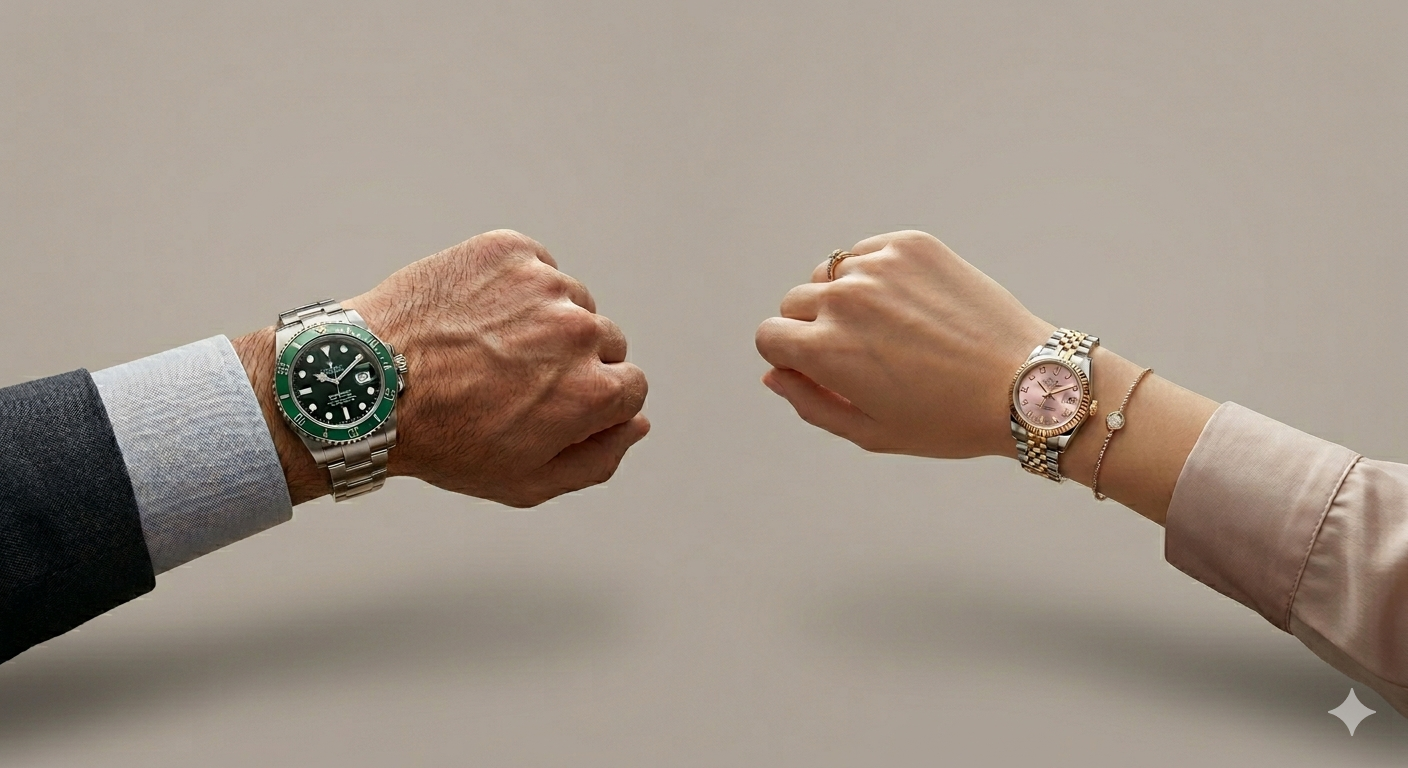
Men’s watches usually feature a bold, masculine look, with larger diameters to suit the average male wrist. In contrast, women’s watches are designed to be slimmer, emphasizing elegance and fitting smaller wrists. This not only matters for aesthetics but also for comfort.
2. Dial Design
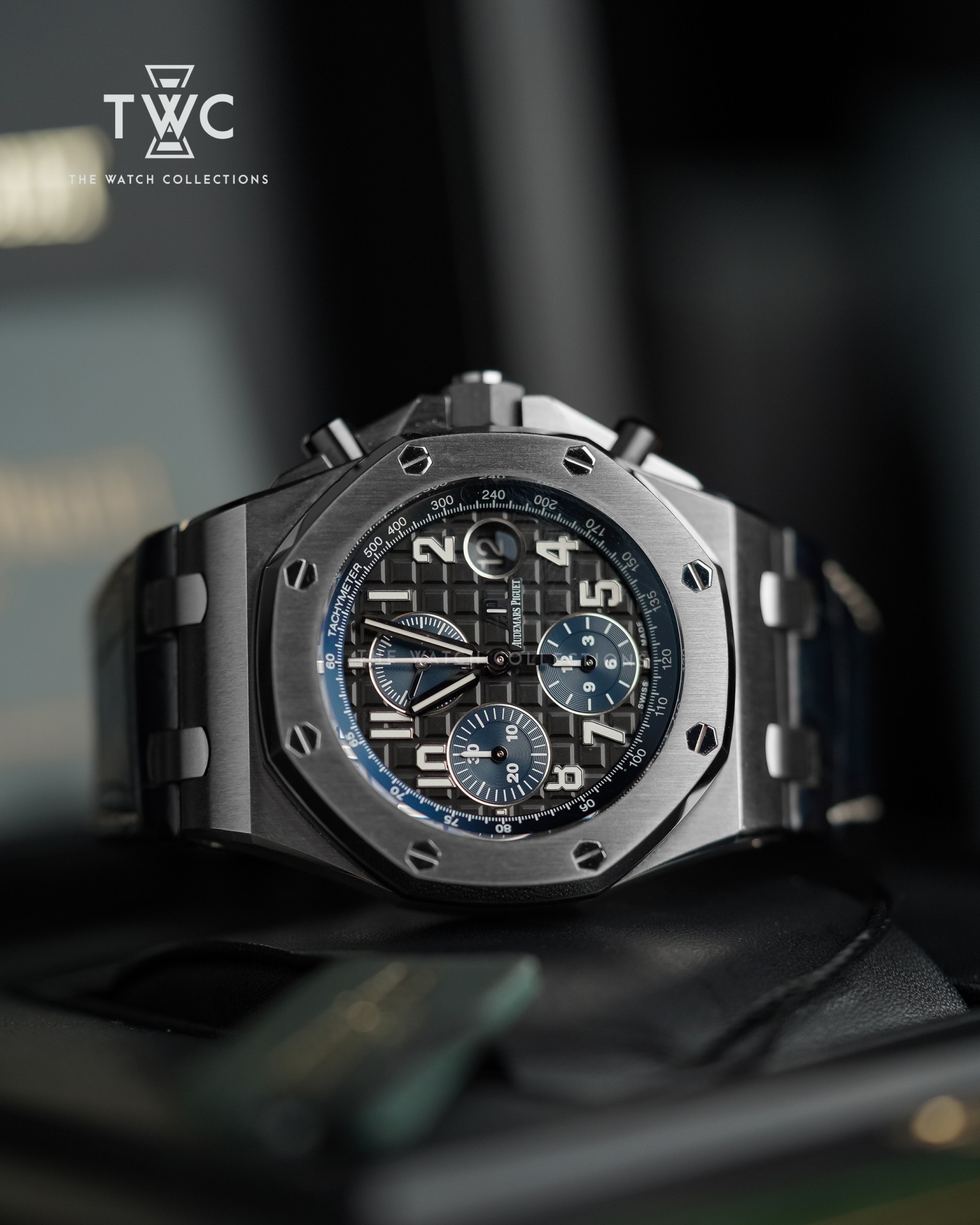
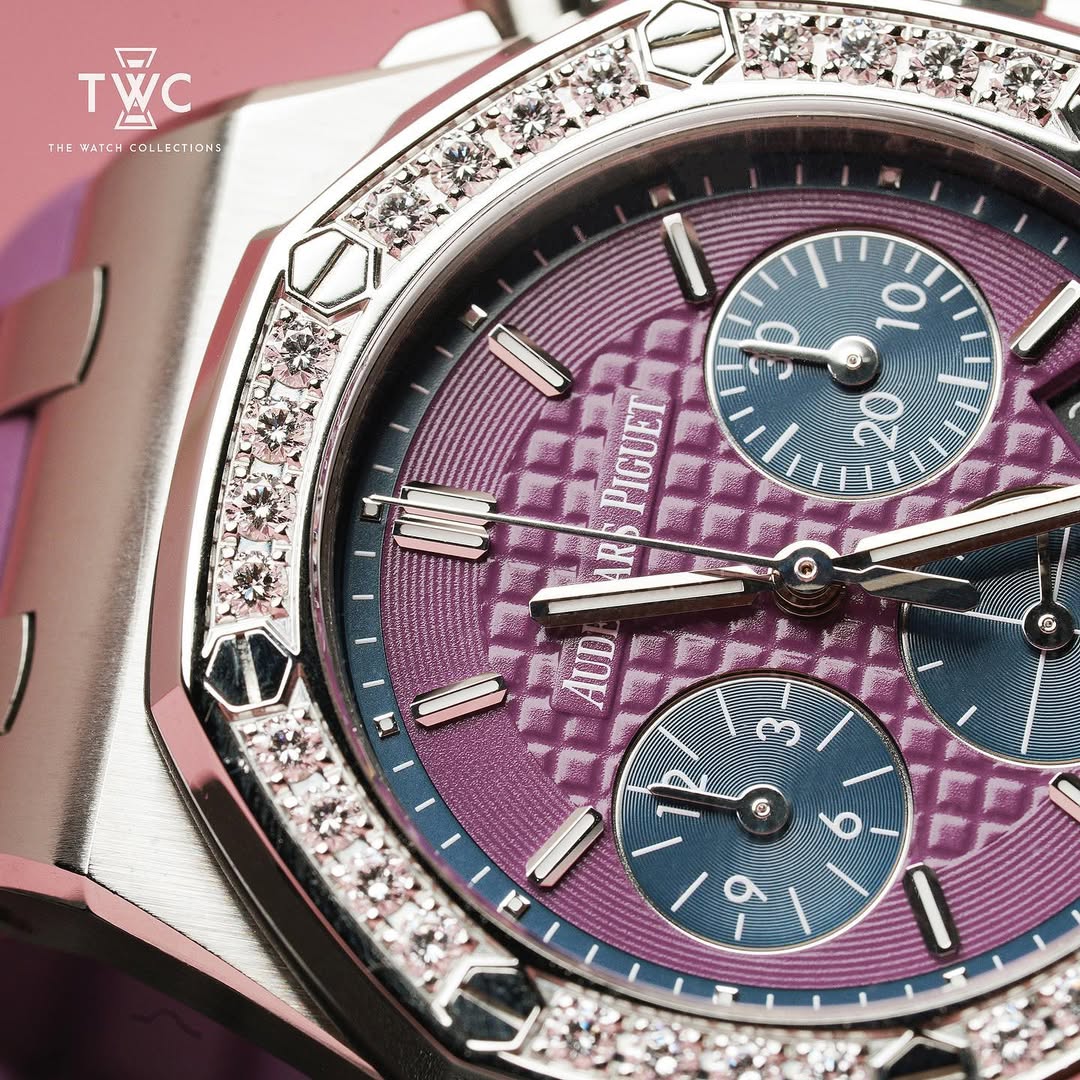
Men’s watch dials are often minimalistic, bold, with neutral colors, and focus on technical details. Women’s watch dials tend to be more decorative and varied, creating a luxurious feminine impression.
3. Materials
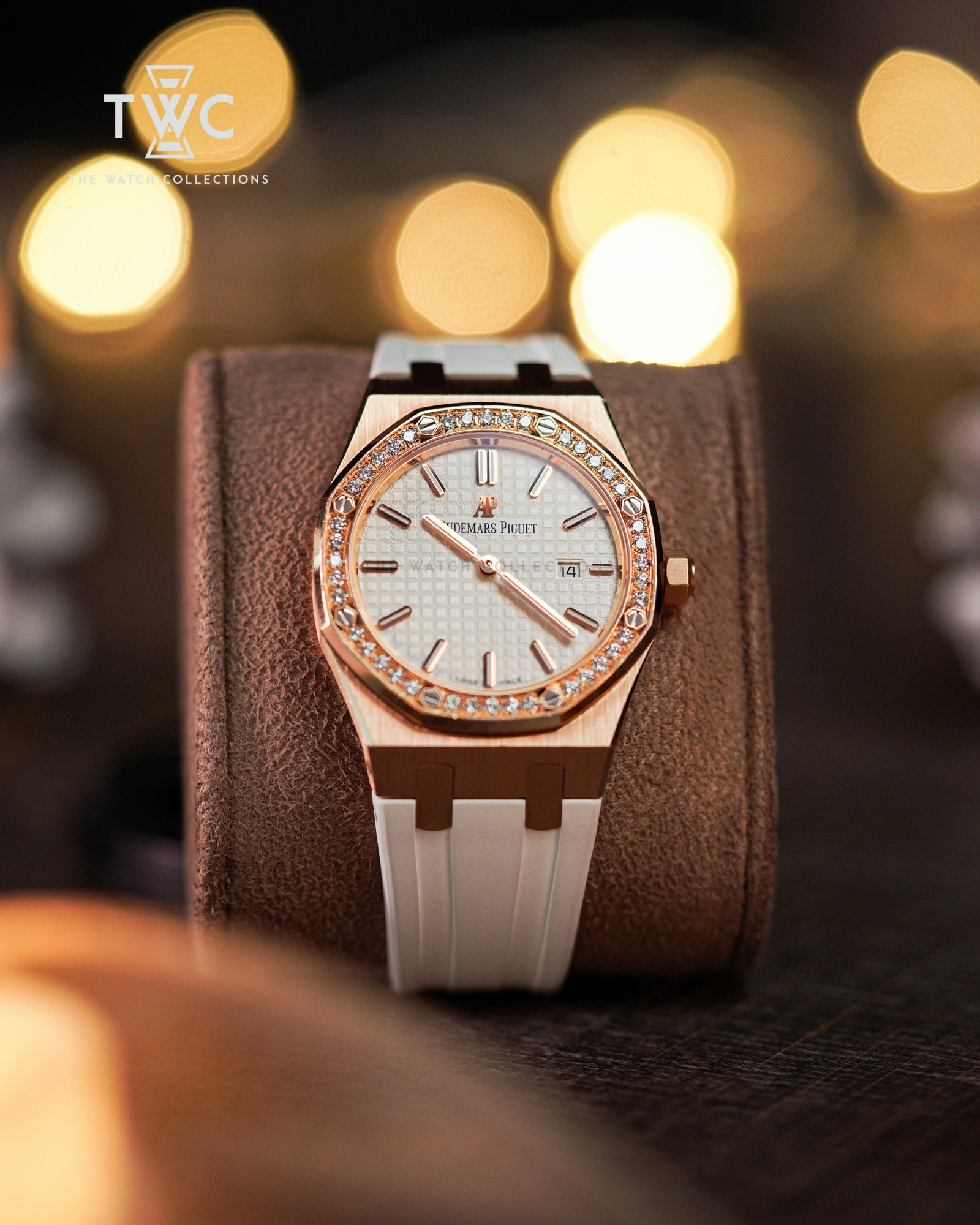
The difference in materials usually reflects aesthetics rather than quality. Women’s watches often feature additional accents such as precious metals (yellow gold, rose gold, white gold), diamonds, or gemstones like ruby, sapphire, and emerald.
4. Watch Complications
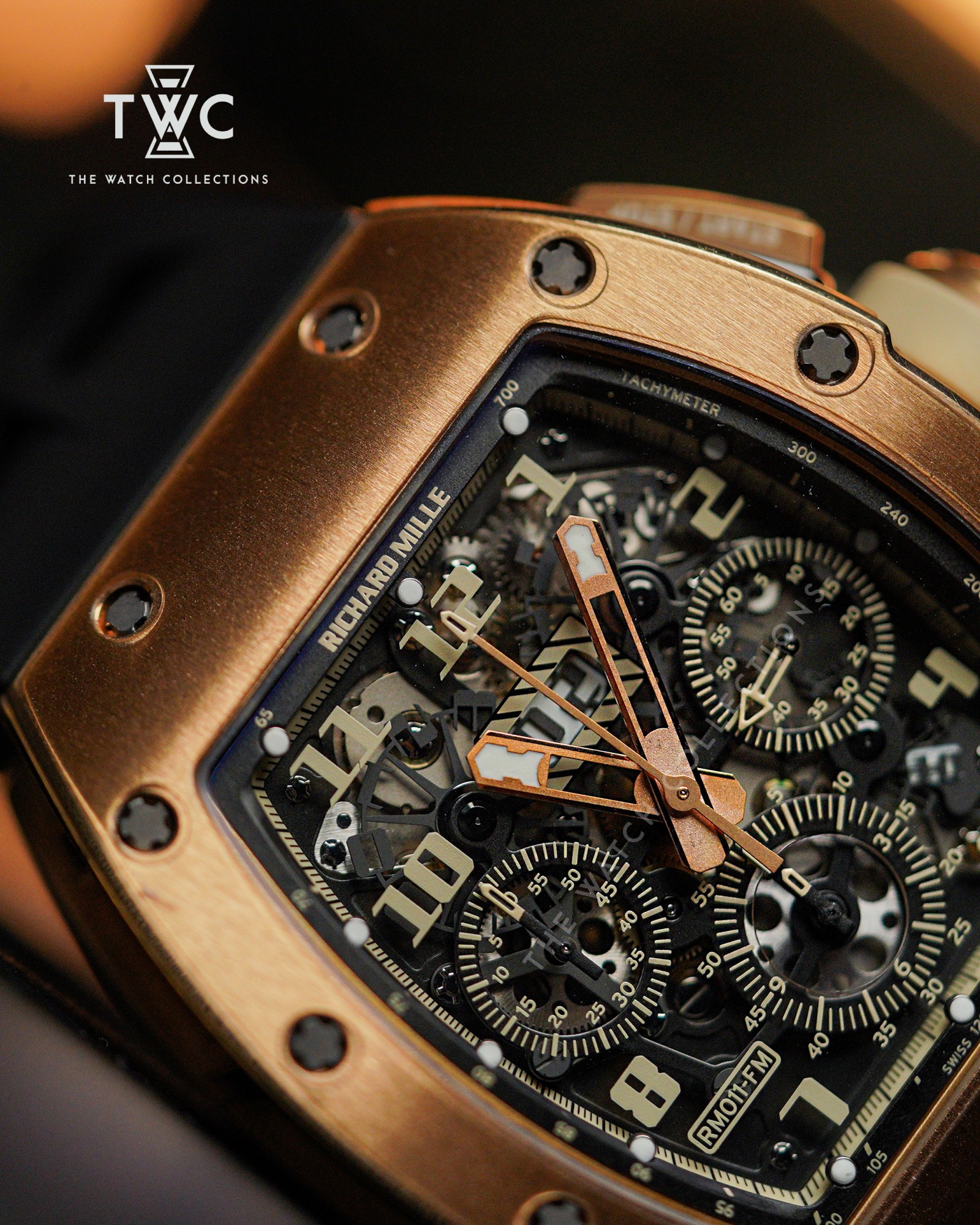
Older women’s watches typically have simpler complications, emphasizing visual beauty compared to men’s watches. However, modern women’s watches increasingly feature more complex complications, such as chronographs or moonphase. Both men’s and women’s watches can use Automatic movements (powered by wrist motion), Manual Winding (wound manually), or Quartz (battery-powered), depending on preference and watch size. Modern women’s watches often favor quartz for thin, precise designs, while men’s luxury watches tend to use automatic or manual winding with more complex complications.
5. Finishing
One main difference is the finishing. Men’s watches generally have solid, bold finishing, while women’s watches are polished, smooth, and elegant. Not only the dial finishing, but other details like the bracelet often differ between men’s and women’s models.
Both men’s and women’s luxury watches have their own charm and appeal. Over time, unisex watches have become more common, and the distinctions in design continue to evolve. It’s also possible for women to wear men’s watches and vice versa. Ultimately, the choice depends on personal preference. The key when selecting a watch is to choose one that matches your character.
Frequently Asked Questions (FAQ):
1. Do women’s watches always use quartz movements?
Not necessarily. Many modern women’s watches use quartz for precision and slim design, but some also feature automatic or manual winding movements.
2. Does case size always determine the watch’s gender?
Generally yes, men’s watches are larger and women’s smaller, but with unisex watches, size can be flexible according to preference.
3. Are complications in women’s watches simpler?
Traditionally, older women’s watches have simpler complications focusing on aesthetics, but modern women’s watches may include complex functions like chronographs or moonphase.
4. Is the finishing different between men’s and women’s watches?
Yes, men’s watches usually have solid, bold finishing, while women’s watches are polished, smooth, and elegant.
5. Can men wear women’s watches and vice versa?
Yes. Ultimately, it depends on personal preference, as there are no strict rules.
You May Also Like These Watches
Know More News
Subscribe to our Newsletter